
Description About Samkit Saar
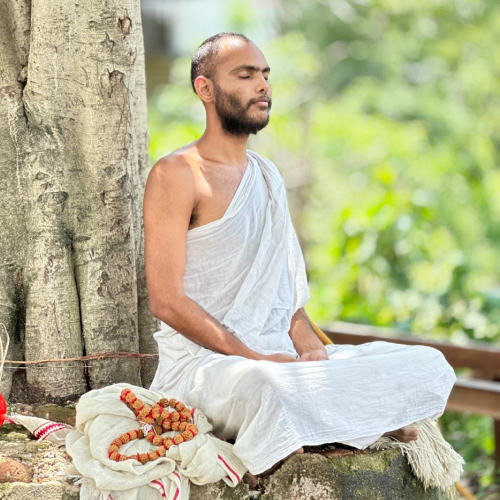
Who We Are
There Was A Time When Most Of The Jain Acharyas And Sages Used To Meditate In The
Himalayas. But Today The Situation Is Not Like This. Everything Has Changed In The Country
Thousands Of Years Ago, Jain Monks Had Great Strength To Bear The Brunt. His Body Used
To Be Moist. Which He Could Tolerate Even Extreme Cold And Heat. Or There Were Many
Such Methods From Guru Traditions By Which The Devotees Could Keep Themselves
Balanced Even In Extreme Heat/Cold. Today All Those Methods, Powers And Practices Have
Disappeared And Even If They Exist, They Will Be Available Only To Very Few Or Very Few
Sadhus.
Secondly, In Ancient Times, There Were Many Jain Pilgrimage Sites In The Himalayas Like Ashtapada (Kailash), Parasnath, Kedarparshvanath, Namiunparasnath, Muktinath, Syambhu Adinath Etc., The Description Of Which Is Found Even Today In Sastras And Sastras. But Due To The Influence Of Time Or Such Incidents, Jainism Disappeared From There. Due To This, Jain Followers Either Became Buddhists, Bons, Hindus, Etc., Or Left The Himalayas And Settled In Other Places. The Reason Could Be Anything, It Is A Matter Of Research.
Secondly, In Ancient Times, There Were Many Jain Pilgrimage Sites In The Himalayas Like Ashtapada (Kailash), Parasnath, Kedarparshvanath, Namiunparasnath, Muktinath, Syambhu Adinath Etc., The Description Of Which Is Found Even Today In Sastras And Sastras. But Due To The Influence Of Time Or Such Incidents, Jainism Disappeared From There. Due To This, Jain Followers Either Became Buddhists, Bons, Hindus, Etc., Or Left The Himalayas And Settled In Other Places. The Reason Could Be Anything, It Is A Matter Of Research.
Inception of Samkit Saar
How it started?
There was a time when most of the Jain
Acharyas and sages used to meditate in the
Himalayas. But today the situation is not like this. Everything has changed in the
country
Thousands of years ago, Jain monks had great strength to bear the brunt. His body used
to
be moist. Which he could tolerate even extreme cold and heat. Or there were many such
methods from Guru traditions by which the devotees could keep themselves balanced even
in
extreme heat/cold. Today all those methods, powers and practices have disappeared and
even
if they exist, they will be available only to very few or very few sadhus. Secondly, in
ancient
times, there were many Jain pilgrimage sites in the Himalayas like Ashtapada (Kailash),
Parasnath, Kedarparshvanath, Namiunparasnath, Muktinath, Syambhu Adinath etc., the
description of which is found even today in Sastras and Sastras. But due to the
influence of
time or such incidents, Jainism disappeared from there. Due to this, Jain followers
either
became Buddhists, Bons, Hindus, etc., or left the Himalayas and settled in other places.
The
reason could be anything, it is a matter of research.
Now if we talk about the present, Jainism
is mostly divided into two divisions.
1. Shewtambar
2. Digambar.
Both are
prevalent in
dependent India. Due to presence of Shravakas and Shravikas of both the sects in India,
monks, Sadhus and Sadhviji also perform penance and chanting in the sacred places in
India.
Where there is union (society). Secondly, doing Himalayan Sadhana is no longer as easy
as it
was in ancient times. It has now become extremely difficult for the Sadhus and Sadhvis
to
travel on foot and go to such remote places to perform Sadhana. There are many physical,
mental, ideological, practical and social reasons for this.Even if we look at the
history of the
last 50 years, only a few Jain monks have returned after doing meditation in Badrinath
and
Himalayas.
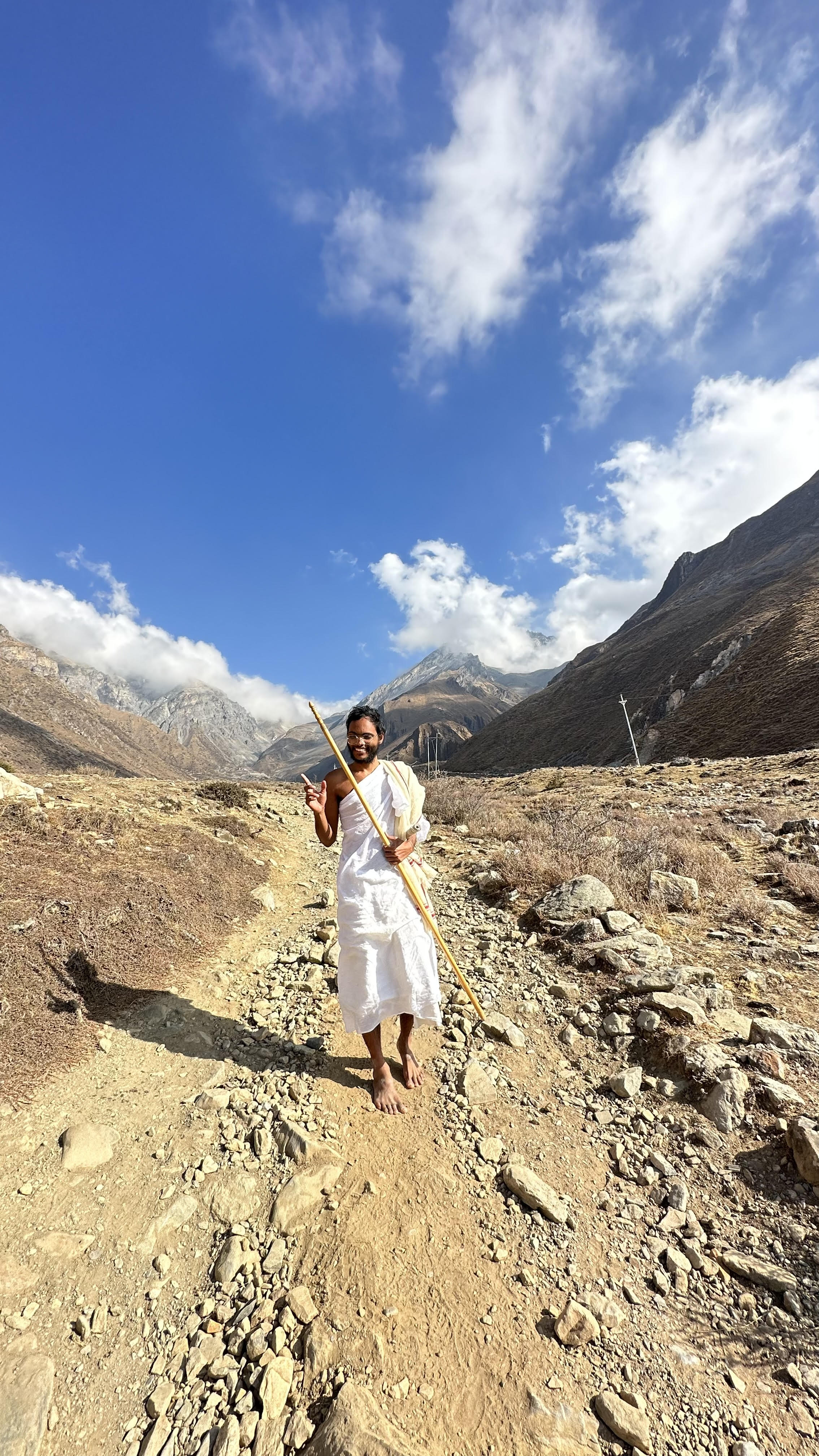
In particular, when my Guruji read the book of memoirs( Sams maran) written by Shri
Jambu
Vijayji Marasa and his Himalaya Pad Yatra, it inspired him with great energy.
After doing sadhana till Chaturmas in Delhi and Udaipur, Guruji got indications of
sadhana in
Mukti Kshetra i.e. Muktinath i.e. Meditational the land of Adinath Prabhu. And all the
work
seemed to be happening right in front, as if the land itself was pulling us towards it
and was
encouraging us by bearing all the adversities. O Dev Guru's grace was helping more
than
expected.
Then a feeling awakened in the heart, wherever we are going and will go, they should
reach
every seeker, not only Jains, but also the places of pilgrimage and meditation, holy
pilgrimages,
and the meditation and travels of Jain monks. All religious lovers should get
information.
A good feeling was awakened here. Because we knew that in such circumstances, the visit
of
Jain monks would be very important and rare, everyone should be aware of it.
But there was no discussion about how to make it reach everyone, it was just a feeling.
While
doing the same tour, we reached Shivpuri in Madhya Pradesh from Udaipur. Jain devotee
Shri
Saurav Shankhlaji was worried about our arrangements and further pilgrimage as he
believed
that the pilgrimage arrangements in Uttar Pradesh would be very difficult. Jain
settlements are
limited to only a few cities, Finally: He had a beautiful feeling that wherever Gurudev
was,
everyone should get information about him, hence the group he created on mobile, today
became famous by the name of "Samkit Saar".
Our Vision
Vision of Samkit Saar
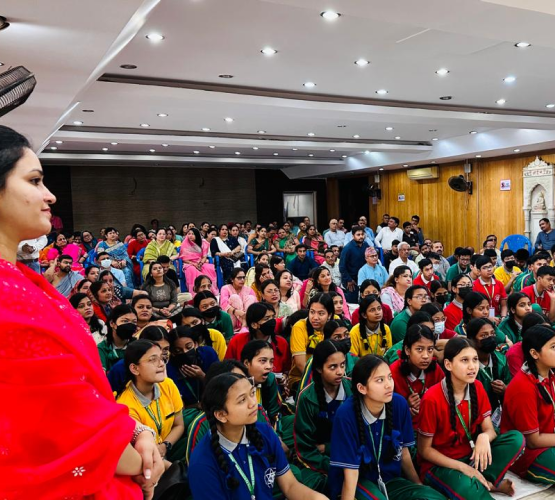
Goal of Samkit Saar
- Spreading information about Jainism and its way of life throughout the world
- Information about Padyatras, ethics and thoughts of Jain Monks
- Present Prorogation of Jainism.
- Special Information about rare places
- Sadhana method: Meditation yoga, chanting , penance yoga
- Tradition of Jain Gurus.
- Jainism and Science
- Message for World Peace from Jainism
- Jainism is for everyone.
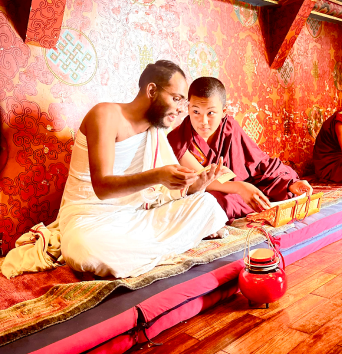
Guruji's Details
Guruji's Impactful Contributions Unveiled
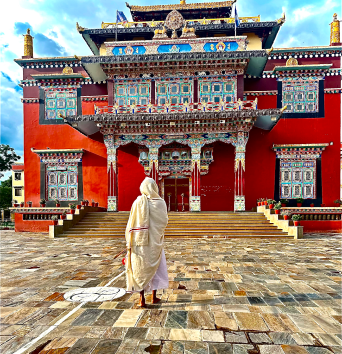
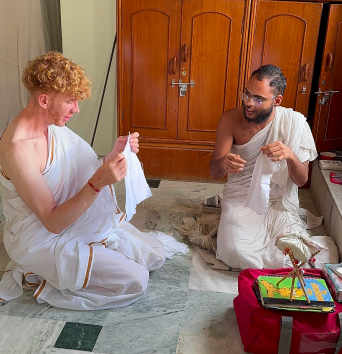
history of samkit saar
The History of Samkit Saar
We Empower Individuals to Cultivate Profound Spiritual Awareness and Foster Connections with Jain Traditions, Pilgrimages, and Meditative Practices.
How did the idea of Samkit Saar originate?
Samkit Saar originated when Jain Acharyas meditated in the Himalayas. As traditional methods vanished with time, Guruji felt a calling inspired by ancient practices and the diminishing presence of Jainism in the Himalayas, triggered by Shri Jambu Vijayji Marasa's memoirs and Himalaya Pad Yatra.
Is Samkit Saar exclusively for Jains, or is it open to individuals of all faiths?
Samkit Saar is inclusive and open to individuals of all faiths. The initiative aims to share spiritual insights and practices with a broader audience, fostering understanding and unity among people from diverse backgrounds.
What is the primary goal of Samkit Saar?
Samkit Saar strives to globally disseminate information about Jainism, safeguard and share ancient traditions, arrange pilgrimages and yatras, and inspire individuals toward deep spiritual awareness. The focus is on ensuring Jain teachings are accessible to a diverse audience, fostering unity and understanding among all seekers.